Touchscreen MacBook Pro starts at $2,899 and flips Apple's laptop playbook
Apple's first touch Mac pairs a tandem OLED PROLED XDR display with M5 Pro and M5 Max chips, starting at $2,899 and shipping November 6.
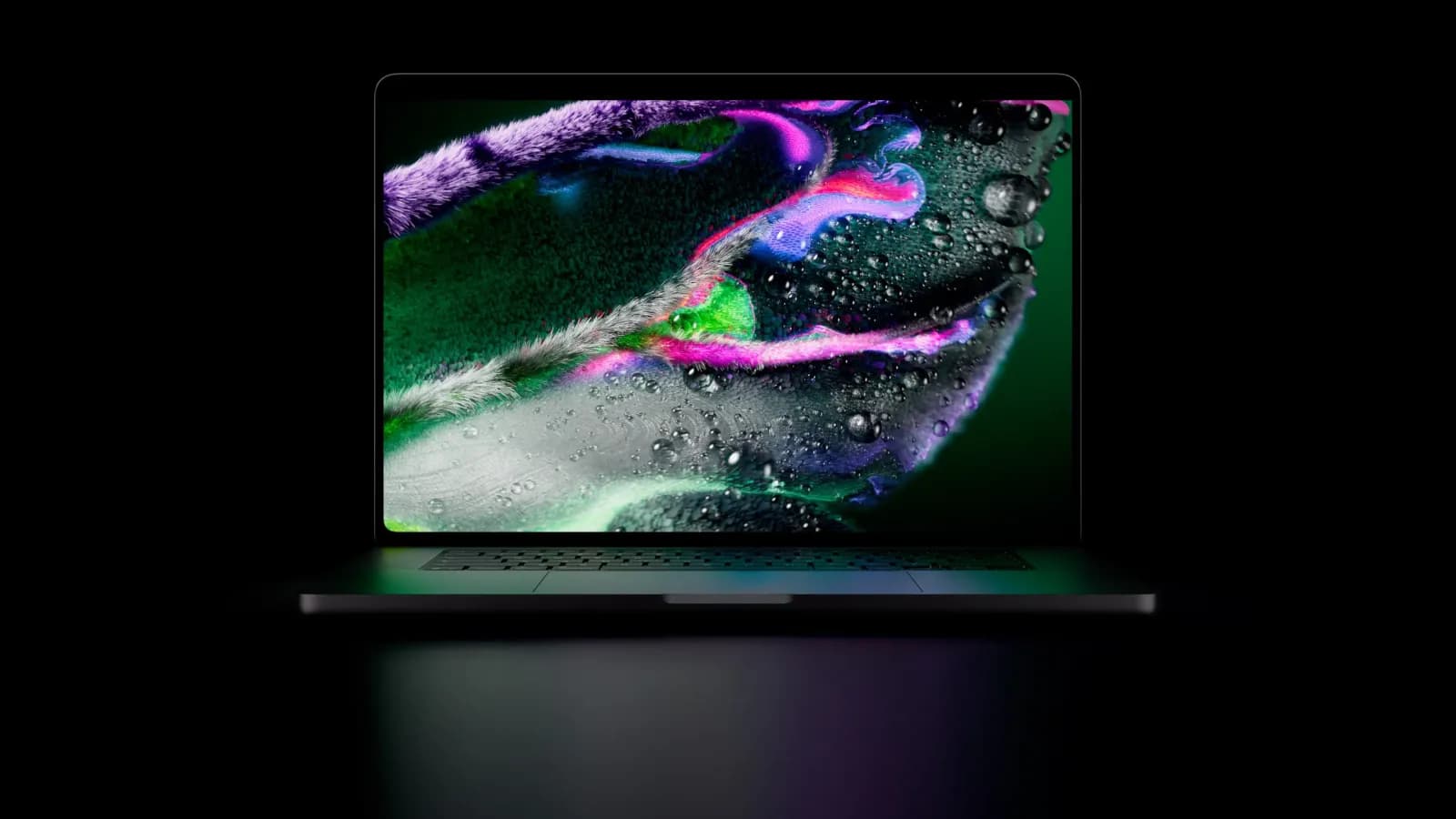
Apple announced the MacBook Pro with PROLED XDR display on October 28, and it is the first Mac laptop you can touch. The 14-inch model starts at $2,899 in the US, preorders are already open, and it ships on November 6. I think this matters more than the spec sheet suggests, because Apple spent the better part of two decades telling us a laptop screen was the wrong place for your fingers.
It comes in 14-inch and 16-inch sizes, with an M5 Pro or M5 Max chip, a tandem OLED panel and touch support built into macOS 27. Apple is not turning the MacBook into a tablet. It is conceding that reaching for the screen can help in professional work. At these prices, though, that concession is aimed at a narrow slice of buyers.
US pricing starts at $2,899 for the 14-inch M5 Pro and $3,399 for the 16-inch. M5 Max configurations start at $4,499 and $4,799. TechRepublic's comparison puts the touch premium at about $700 over the equivalent non-touch 14-inch M5 Pro, and around $900 on the M5 Max. Preorders opened in 30 countries and regions at once, so this is not a slow regional rollout.
The display is the headline. PROLED XDR stacks two OLED layers, with peak brightness up to 2,000 nits, a claimed 10,000,000:1 contrast ratio and adaptive refresh up to 120Hz. Apple also lists P3 and Adobe RGB coverage, which is the detail photographers, video editors and designers will actually care about.
Touch handles scrolling, pinch to zoom, dragging items between Spaces and working directly inside creative tools. For musicians, designers and anyone pushing 3D models around, cutting out the trackpad step could feel natural. These are still Apple's claims, and I want to see how they hold up across a full workday that today runs on keyboard shortcuts.
The Dynamic Island also lands on the Mac, grouping Spotlight, Live Activities and Siri AI in one interactive strip. Keyboard and trackpad stay exactly where they were, so nobody is forced to touch anything. That feels like the right call for a pro machine, far better than reshaping macOS into a bigger iPadOS.
This is a real reversal. Steve Jobs publicly argued that vertical touchscreens on laptops were an ergonomic mistake, and Apple kept its device categories separate while Windows makers made convertibles and touch laptops ordinary years ago.
The business angle is clear too. According to Reuters, 33.4 million touchscreen laptops shipped worldwide in 2025, at an average price close to $1,009. A $2,899 starting point means Apple is not chasing that volume. The bet is on professionals willing to pay for the screen, the performance and the way Apple's hardware and software fit together.
The obvious comparison is the Touch Bar. Apple already tried a touch strip above the keyboard and quietly dropped it from later generations, largely because few apps did anything useful with it. A full touchscreen offers far more room, but it faces the same test: developers have to care.
Apple also promises up to 24 hours of battery life, a thinner and lighter chassis, up to 128GB of unified memory and up to 16TB of storage depending on configuration. So the screen is not the only upgrade. Independent testing still has to confirm battery life, glare on a glossy touch panel, fingerprints, and whether touch earns its place in daily pro workflows.
My take: the hardware looks like the easy part. What decides this is whether Adobe, Apple's own pro apps and the wider developer community build touch interactions that add something without breaking the classic Mac experience. Until that happens, the $700 premium buys a gorgeous OLED panel first and a touchscreen second.
Platforms: iOS